Thematic folder
The MIAME Research & Development Centre: science supporting diadromous fish management
Share
2025 Edition
Whether eels, salmon or lamprey, these diadromous fish spend some of their lives in the sea and the rest in freshwater. These species, which are highly valuable to the heritage of several regions around the world, are now endangered. The decline in their population is due to factors such as the degradation of water quality, overfishing, and dams and other obstacles to their movement in rivers. The European sturgeon, European eel and twaite shad are recognised as critically endangered on the International Union for Conservation of Nature (IUCN) national red list of threatened species. Atlantic salmon, two species of lamprey, two species of shad and European smelt are also classified as endangered or near threatened.
With the greatest diversity in Western Europe, France is home to 12 diadromous species in its waterways. The challenges faced in promoting their conservation have led to complex legislation, requiring scientific expertise in this field. The MIAME research and development cluster was initially established in 2013 by the French Office for Biodiversity (OFB, formerly Onema) and INRAE (formerly INRA), and was joined by the Institut Agro and the University of Pau and the Pays de l’Adour (UPPA) in 2019. In order to support government departments, the MIAME Centre brings together research and teaching organisations and the OFB, a public institution dedicated to biodiversity conservation. The OFB’s research & development centres, which are unique in their kind, bring together researchers and public policy managers, either alone or in partnership with one or more other organisations. These centres facilitate discussions, acculturation and the joint development of research programmes to best meet the needs of public action.
Firstly, this file presents the challenges in protecting diadromous species and reviews management policies. It then presents a selection of recent scientific productions and public policy initiatives from the MIAME Centre, most from the special issue of the journal Sciences Eaux & Territoires (2025) on the Centre’s activities.
Explore our other thematic dossiers
Thematic dossier
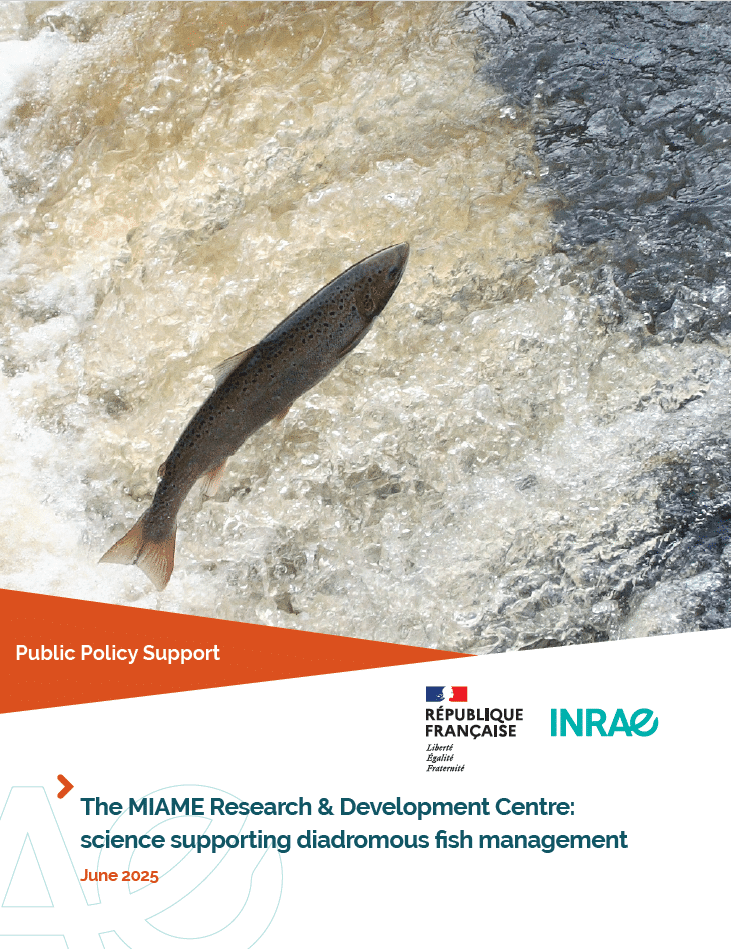
The MIAME Research & Development Centre: science supporting diadromous fish management
Whether eels, salmon or lamprey, these diadromous fish spend some of their lives in the sea and the rest in freshwater. These species, which are highly …
Thematic dossier
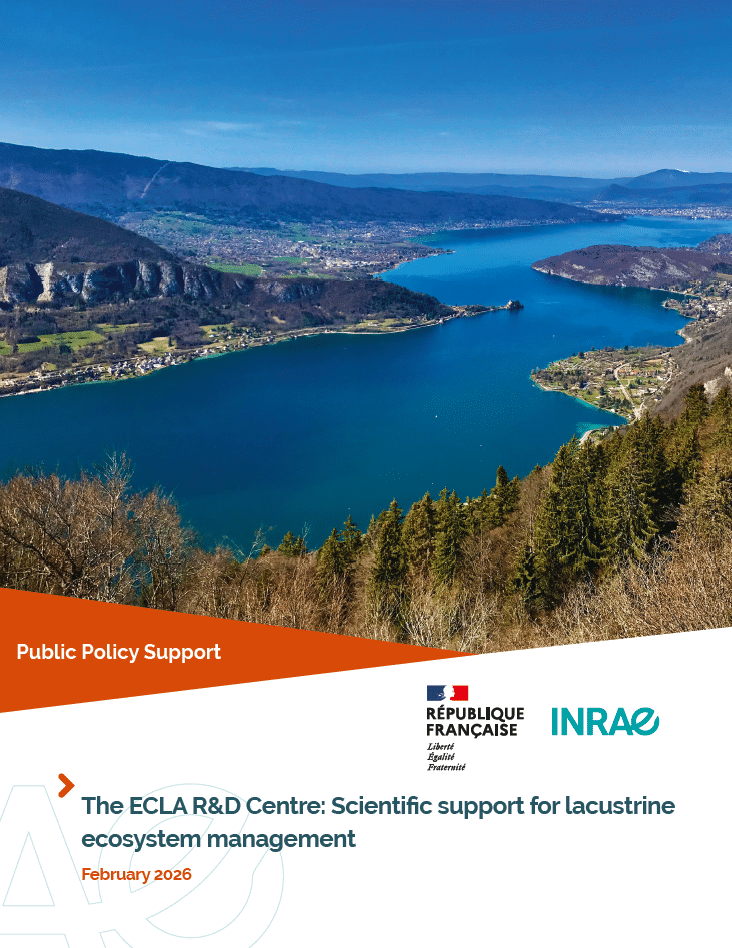
The ECLA R&D Centre: Scientific support for lacustrine ecosystem management
The ECLA R&D Centre is now identifying new management needs, coordinating the scientific work required to meet them and making the results available to public stakeholders. This report reviews the major achievements and outputs of this collaboration.
Thematic dossier
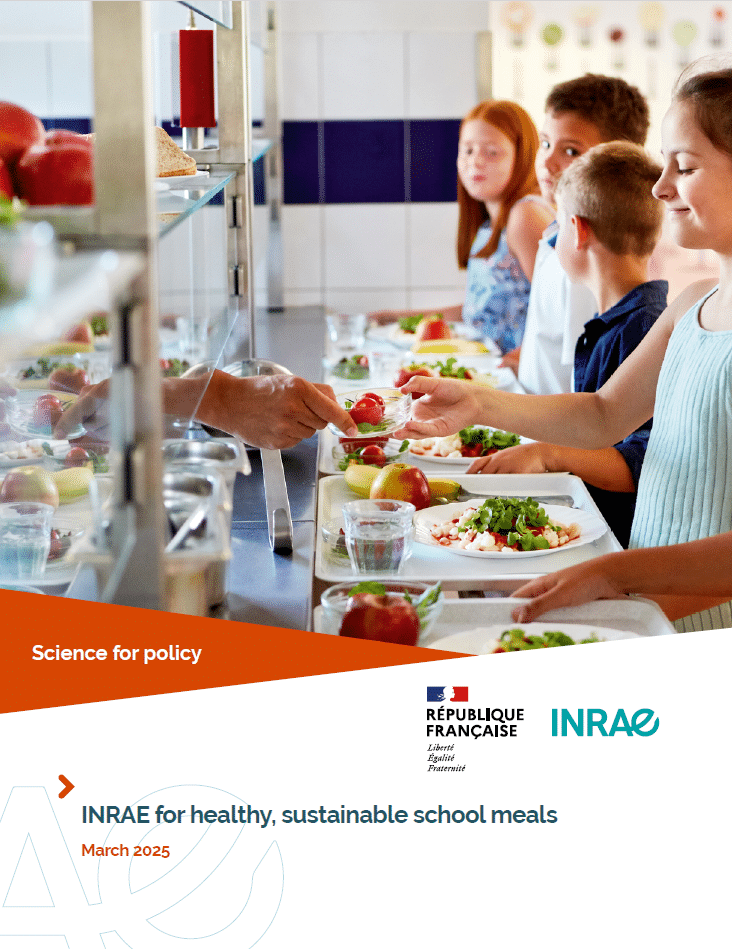
INRAE for healthy and sustainable school meals
From nutrition to the environment and food behaviour in school catering, INRAE supports public policies…
Thematic dossier
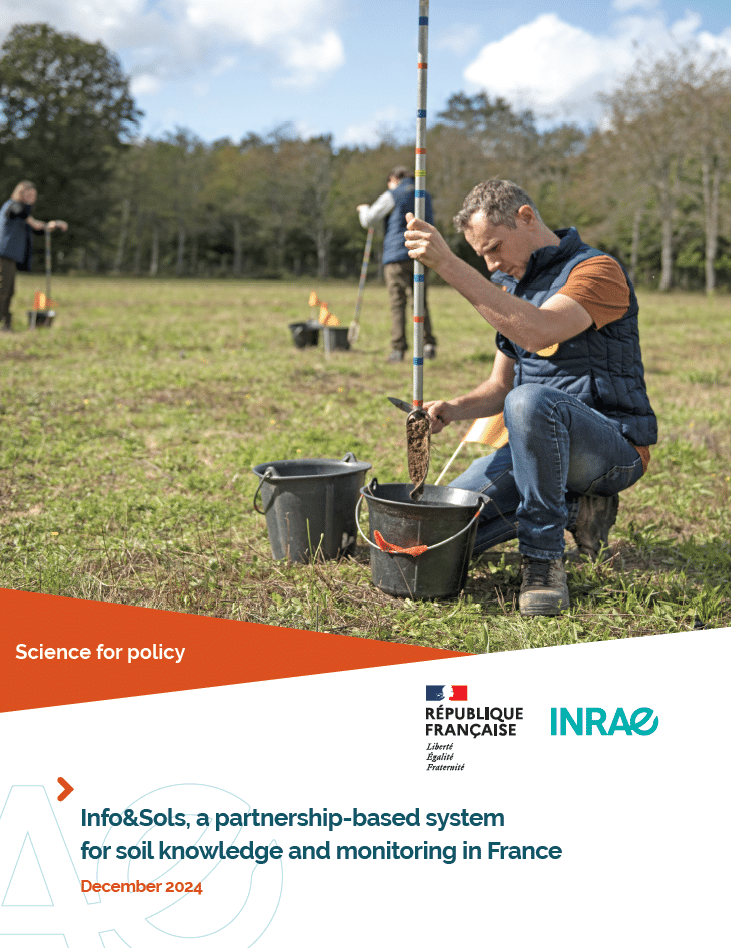
Info&Sols, a partnership-based system to understand and monitor soil in France
As an essential support for human activities, soil is a natural resource that provides numerous functions and ecosystem services. It is therefore at the heart …
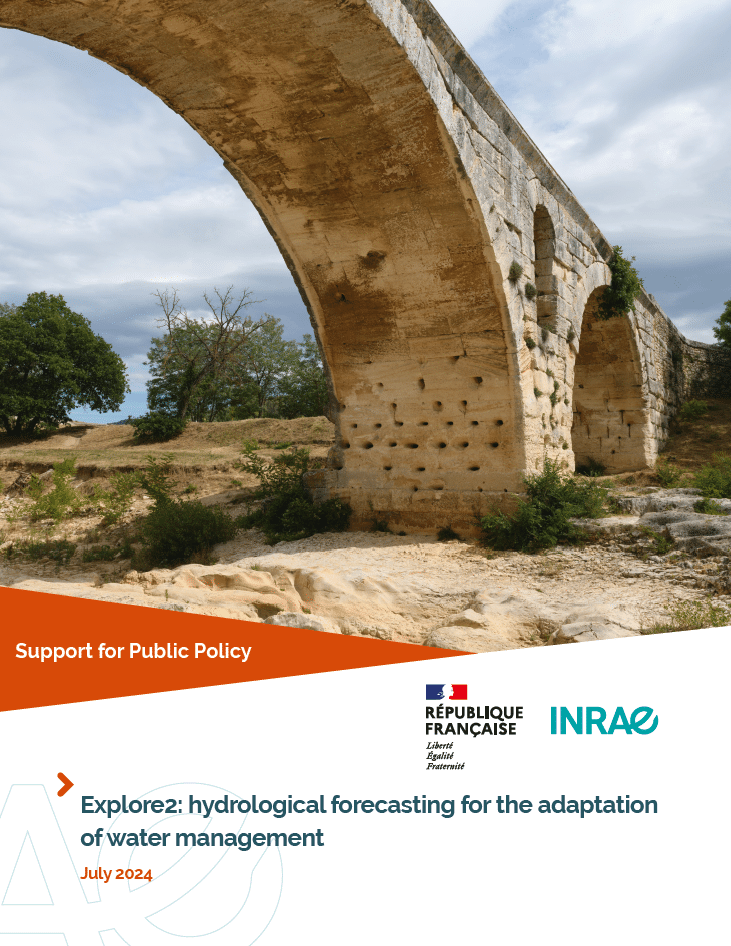
Thematic dossier
The Explore2 project, hydrological projections to adapt water resource management
The Explore2 project, to be carried out between 2021 and 2024, aims to describe the climate and water resources for the whole of the 21st century in mainland France…
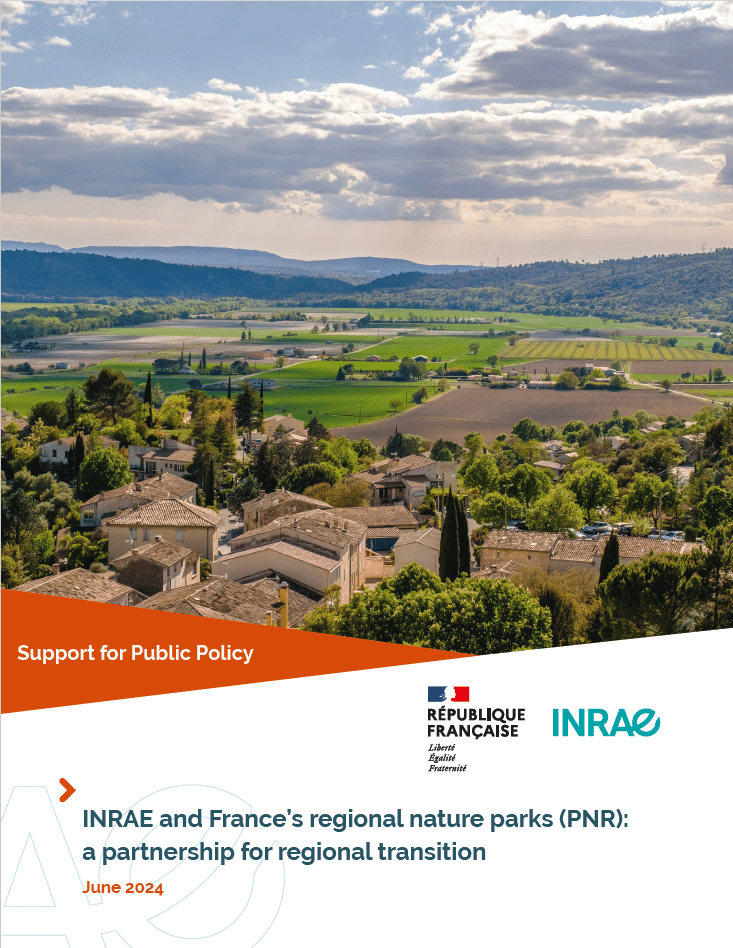
Thematic dossier
Regional natural parks and INRAE, a partnership for regional transition
The regional nature parks (PNR), set up in 1967 and now numbering 58, are important partners for INRAE. This partnership …