Public policy support – Partnerships
The public sector is increasingly calling on INRAE scientists to address issues that concern the Institute’s research and expertise: preserving and managing common goods such as water, biodiversity and soil, anticipating and managing natural, food and environmental risks, and initiating food and agroecological transitions. These demands require close collaboration at different levels of action, at national, European and international level, as well as local level, which is an essential link in the chain of action.
The Public Policy Support Division helps build partnerships with public players to bring science and public policy closer together. This involves coordinating and leading the dialogue between the Institute’s scientific and technical provision and the needs of public players in designing and implementing food, agricultural and environmental policies.
Public policy support partnerships at all geographical levels
Public policy support involves formalising partnerships with national ministries and public entities responsible for implementing public policies. Institutional framework agreements with these strategic players structure and organise the partnership, specifying all the areas and methods of collaboration. They are then the subject of specific application agreements. They also set up governance bodies (steering committee, monitoring committee, etc.) responsible for monitoring and coordinating these partnerships.
These framework agreements are developed with INRAE’s non-academic priority public partners at national, regional and international levels.
This work is one of INRAE’s Public Policy Support Division’s missions and is carried out in close collaboration with the Public Policy Support Division, the Scientific Directors and the Heads of Research Departments. To date, INRAE has signed twenty national agreements that cover hundreds of support actions. Agreements have also been signed at regional level (with cities and regions, for example). Many of these agreements are managed by the research centres. A number of European and international partnership agreements (MoUs) are also managed in conjunction with the International Relations Department and the Higher Education, Sites and Europe Department. These include agreements with the JRC, EEA, EFSA, FAO, WMO and IFPRI.
Table of Contents
Public policy support – national partnerships
INRAE establishes special partnerships with national public policy players, ministries or public institutions to contribute to the design, implementation and evaluation of public policies in the Institute’s areas of research.
The aim is to develop and target collaborations as part of INRAE’s national strategy for public policy support: to identify the players, issues and public policies concerned, both current and future.
INRAE’s main partners in public policy support are the ministries and national entities responsible for implementing public policies in line with the Institute’s aims. The Ministries of Agriculture and Research, which oversee INRAE, are key partners. Relations have also been established with the Ministry of Ecology, the Senate and the National Assembly, the Parliamentary Office for the Evaluation of Scientific and Technological Choices (OPECST) and the Economic, Social and Environmental Council (CESE).
These collaborations involve :
- setting up organised and systematic exchanges with the departments of the ministries responsible for agriculture and the environment to listen to needs and anticipate actions; these exchanges are currently being structured with the ministry responsible for health,
- the concerted drafting of framework agreements and conventions with public partners to better coordinate the scientific provision and the needs of political action, and to secure actions over the long term and in terms of resources. Projects are promoted jointly to strengthen collaboration and partnership.
-
Partner’s testimonial
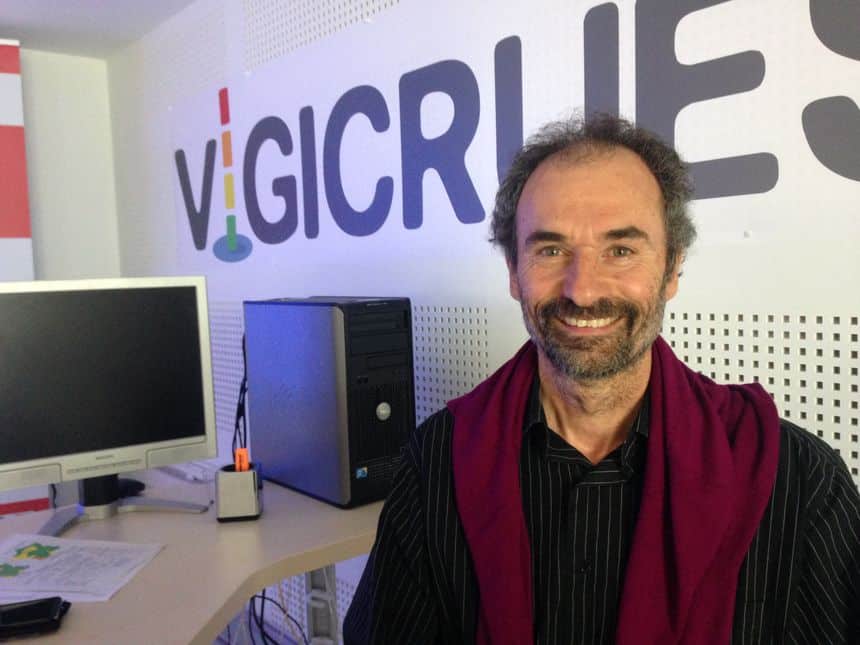
A long history of collaboration between science and Schapi in flood forecasting
“The Schapi runs the VIGICRUES network and coordinates flood forecasting on a national scale, in particular with …

Bruno Janet
French Ministry of Ecological Transition and Territorial Cohesion
To find out more, visit The DEPE website
To find out more: INRAE 2030
Partnership with Ministries
As well as being major beneficiaries of INRAE’s public policy support, ministries are also partners, whether they be general directorates, directorates, departments or inspectorates. The partnership includes participation in councils or committees set up by the ministries, for example as part of national strategies or plans.
Public policy support initiatives are also carried out for local departments and agencies (DDT, DDPP, DRAAF, DREAL, ARS, etc.).
| Ministry | Main central administrations, inspectorates and councils |
| Prime Minister (PM) | – France Stratégie (General Commissariat for Strategy and Forward Planning) – General Secretariat for Ecological Planning (SGPE) – Interministerial Directorate for Public Transformation (DITP) |
| Ministry of Agriculture and Food Sovereignty (MASA) | – General Secretariat of the Ministry – Directorate-General for Education and Research (DGER) – Directorate-General for Food (DGAL) – Directorate-General for Business Economic and Environmental Performance (DGPE) – General Council for Food, Agriculture and Rural Areas (CGAAER) – National Animal and Plant Health Policy Guidance Council (CNOPSAV) – Ecophyto II+ plan committees |
| Ministry for Ecological Transition and Territorial Cohesion (MTECT) | – General Secretariat of the Ministry – General Commissariat for Sustainable Development (CGDD) – Directorate-General for Planning, Housing and Nature (DGALN), including the Directorate-General for Water and Biodiversity (DEB) – Directorate-General for Risk Prevention (DGPR) – Directorate-General for Energy and Climate (DGEC) – General Inspectorate for the Environment and Sustainable Development (IGEDD) – Sustainable Development Economics Commission (CEDD) – National Committee for Biodiversity (CNB) – National Water Committee (CNE) – Orientation Council for the Prevention of Major Natural Risks (COPRNM) – Ecophyto II+ plan committees |
| Ministry of Health and Prevention (MSP) | – Directorate-General for Health (DGS) |
| Ministry of the Interior and Overseas France (MIOM) | – Directorate-General for Civil Security and Crisis Management (DGSCGC) |
| Ministry of Higher Education and Research (MESR) | – Directorate General for Research and Innovation (DGRI), including the Institute of Advanced Studies for Science and Technology (IHEST) |
INRAE provides support to ministries at all stages of public policy: scientific insights and support for the design of new public policies, and operational support for their implementation and evaluation.
Operational support for ministries involves developing tools, indicators and decision-making aids. Together with the ministries concerned, it runs and develops long-term systems known as “permanent public policy support systems“, which have dedicated resources and staff.
These support the implementation of public policies, while at the same time enriching the Institute’s knowledge production and scientific strategy thanks to the data and emerging issues they generate.
A dozen or so permanent projects have been set up with the Ministry of Agriculture, while others are being developed or formalised with the Ministry of the Environment.
“Anticipation is […] a key element in designing and implementing forestry policy. […] The need for science is considerable, and the Ministry of Agriculture has long relied on INRAE scientists. […] To meet these long-term challenges, public forestry policy must also be a long-term process, informed by the results of scientific research. Acquiring knowledge is essential in a technically highly complex field, to enable the State to anticipate uncertain climatic conditions.”
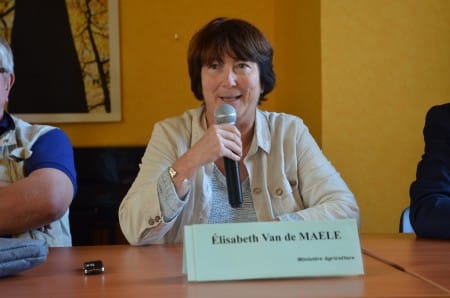
Elisabeth Van de Maël
Head of the Sustainable Forest and Wood Management Office (BGED) Directorate-General for Business Economic and Environmental Performance (DGPE) – Ministry of Agriculture and Food (2022)
See also
“Biodiversity and agroecological transition: the OFB and INRAE sign a new framework agreement”.
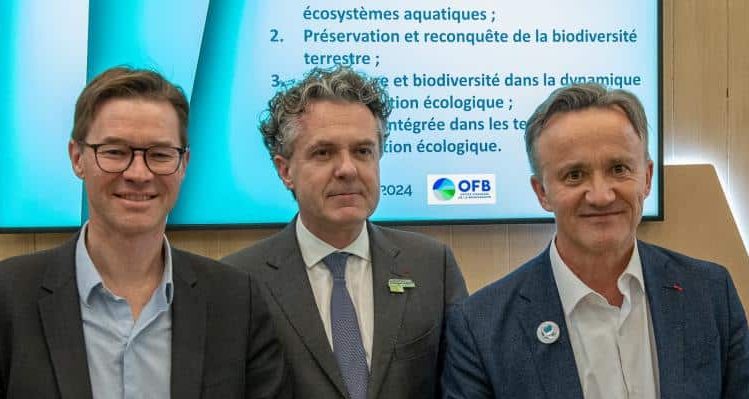
Press release – The OFB and INRAE combine their skills and expertise in public policy support for biodiversity and agroecological transitions.
-
Partner’s testimonial
Egalim: a public policy based on research
“Research was central to assessing the positive impact of the first decree on the nutritional quality of school meals […]”.
Erwan de Gavelle
Head of the Food Policy Office, French Ministry of Agriculture and Food…

-
Partner’s testimonial
Monitoring the state of French soils by the Ministry of Ecology
“…] the MTEECPR focuses not only on knowledge of the state of soils but also on the pressures that are exerted on them”.
Béatrice Michalland
French Ministry of Ecological Transition, Energy, Climate and Risk Prevention
-
Partner’s testimonial
Encouraging public water policies to take climate change into account
“[…] The Ministry took part in the discussions when Explore2 was set up, because the issue of the impact of climate change on water resources is crucial for water-related policies […]”.
Maud Bérel
"Climate" Project Officer, French Ministry of Ecological Transition and Territorial Cohesion

Partnership with national organisations
Partner’s testimonial
ADEME, a GIS Sol partner: tools for the ecological transition based on soil data
“ADEME has been involved in the GIS Sol since it was set up in 2001, both in its funding and in the way it operates and uses its data.
Jérome Mousset
Director of Bioeconomy and Renewable Energy at ADEME
Partner’s testimonial
Phytopharmacovigilance, a unique system in Europe set up by Anses
“[…] This system provides a wealth of data on the presence of residues of plant protection products in the environment […]”.
Fabrizio Botta
Deputy Head of the National Phytopharmacovigilance Scheme at Anses
Partner’s testimonial
Bringing the worlds of scientists and results-users closer together
“[…] Communication between [scientists and users] is not natural, but fundamental to better guarantee the relevance of choices and the appropriation of results. […] ”

Sonia Siauve
Coordinatrice du projet LIFE Eau&Climat, OiEau
Local public policy support partnerships
Local public policy support partners
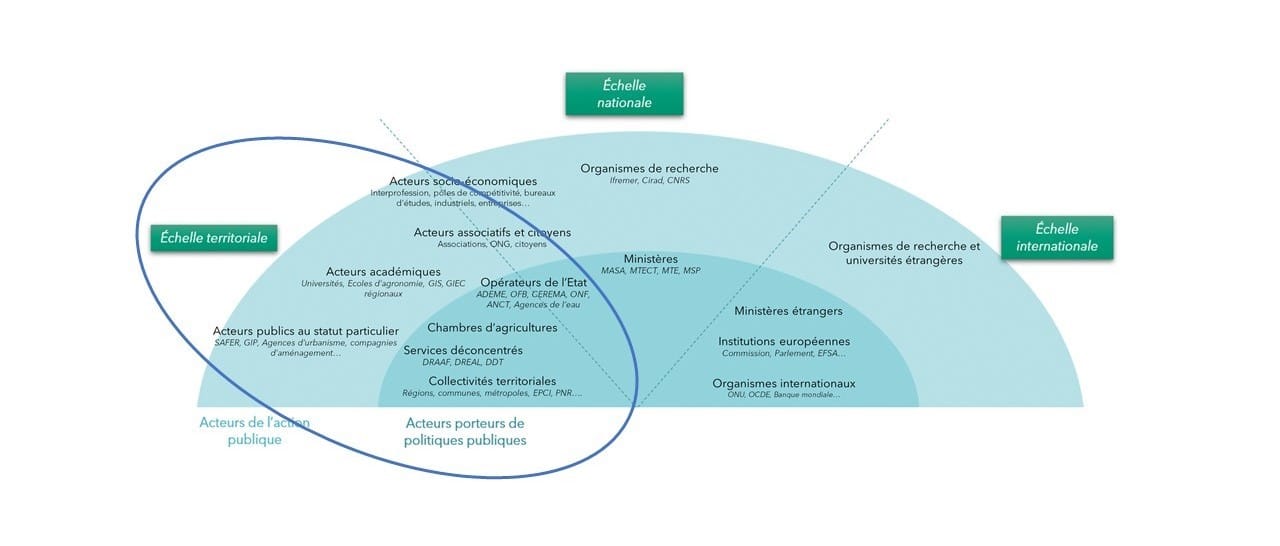
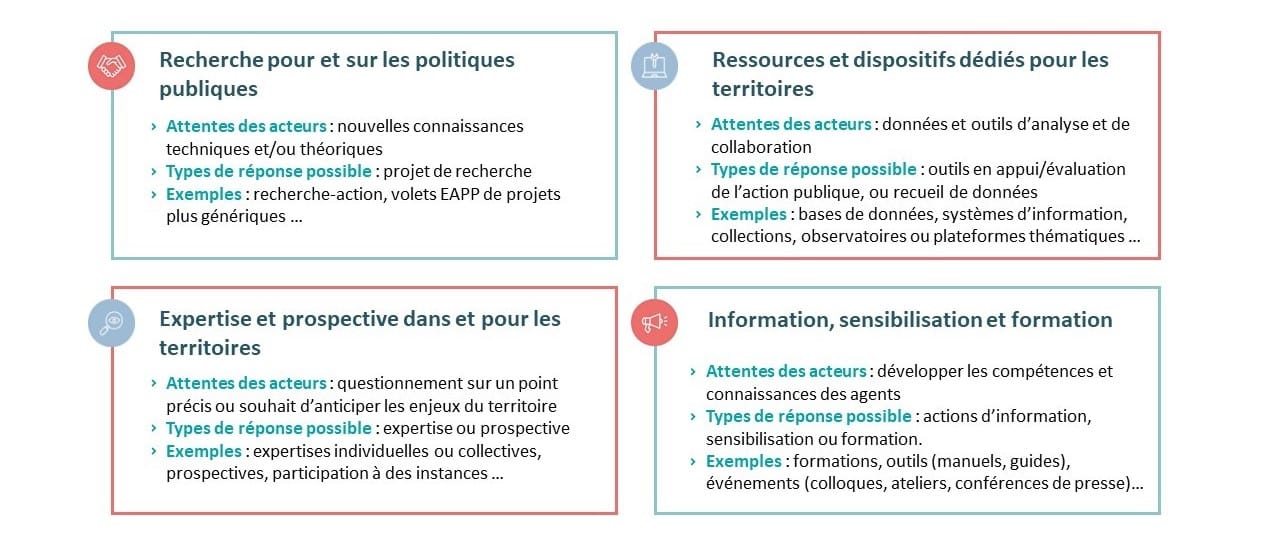
The various public policy support activities also have local beneficiaries: decentralised government departments, agencies, operators and public bodies, and local authorities and similar organisations. They are joined by other scientific, socio-economic and associative partners, and even some international players.
Local and regional partners have a variety of expectations of research: new knowledge, data and analysis tools that can be used by local and regional players, insight into a specific issue, or help in developing the technical and scientific skills of their staff.
Local and regional partners and support services
Partner’s testimonial
TAPs, at the crossroads of MASA-DRAF, NRP and scientific research
“Our NRP has been looking at food issues since 2010. As an Regional Nature Park, we have a …
Richard Bonin & Florence Dodet
Monts d'Ardèche Regional Nature Park
Partner’s testimonial
The fight against green algae in Brittany: knowledge for action, synergy with farmers
“I’ve been working with INRAE scientists on the issue of nitrates and soils since 1990, when …
Daniel Hanocq
Brittany Regional Chamber of Agriculture
Partner’s testimonial
A European directive for aquatic environments: results-based obligations requiring scientific input
“The WFD lays down an obligation to achieve results, i.e. to restore water bodies to good status by …
Laurent Roy
Rhône-Méditerranée-Corse Water Agency
INRAE’s thematic research offering in line with local authorities’ fields of action
Much of INRAE’s research supports local and regional transitions in agriculture, food and the environment, reflecting the fields of action and needs of local and regional authorities and their stakeholders.
The forms of partnership are adapted to the context, ranging from framework agreements to the implementation of specific projects, accompanied by training or the development of platforms.
See also: INRAE and local authorities brochure
European and international public policy support partnerships
Public policy support partnerships at European and international level include, in particular, international expertise activities carried out with international organisations and in the field.
The term ‘international expertise’ covers a wide range of INRAE activities, both in terms of the way they are carried out and their purpose.
International expertise refers to:
- the participation of INRAE scientists in collective scientific assessments (ESCo), foresight studies or studies of European or international scope carried out by the Collective Scientific Assessment, Foresight and Studies Directorate,
- the participation of INRAE scientists in working groups and committees set up by European and international organisations,
- the coordination or participation of INRAE scientists in European projects in support of public policy,
- the participation of INRAE scientists in projects designed to answer the specific question of a partner concerned by the implementation of a public policy.
The Public Policy Support Division maintains regular relations with the Comité d’appui au développement de la coopération institutionnelle (CADCI) of the Ministry of Agriculture and the European Affairs Division (DAEI) of the Ministry of the Environment.
The Institute has several framework agreements with key institutions such as the FAO, IIASA, the Joint Research Centre (JRC) and IFPRI.
INRAE provides experts in response to requests from international organisations such as the United Nations Committee on World Food Security, the CGIAR (Consultative Group on International Agricultural Research), the Joint Research Centre and the European Environment Agency.
Expertise in European and international organisations
Informing stakeholders about societal issues is carried out through various forms of expertise. This expertise may take the form of the Institute’s scientific experts’ participation in working groups or committees set up by international and European organisations. Around forty European and international public players and their working groups and committees have been selected as priority targets by INRAE.
Several INRAE experts are involved in international panels such as the Steering Committee of the Committee on World Food Security (HLPE-CSA), or the multidisciplinary scientific advisory group of experts responsible for drafting the United Nations Environment Programme’s (UNEP) report on the future of the global environment.
International project expertise
The aim of the international project appraisals coordinated by the Public Policy Support Division is to shed light on an issue that involves public action at international level by mobilising high-level scientific knowledge and the operational know-how of experts.
It responds to calls for projects or direct requests from international organisations, countries, international local authorities, foundations and development banks.
Its projects are characterised by technical assistance, scientific analysis, clarification and contribution of methodologies, critical analysis of data, evaluation or support for projects (impact studies).
These actions most often concern large-scale projects: construction, restructuring and development projects (hydraulic, territorial, etc.) impacting a large area, or even a country. They also include management and/or prevention plan projects. These projects, financed by a public or private donor, anticipate or respond to changes in local, national, European or international public policy. They also act as demonstrators, catalysing know-how to solve a specific problem.
At INRAE, international expertise projects target subjects where research is strong, long-established and well established, and competitive at global level. This continuum between research and expertise is a source of expertise for international public action, but also of new research questions, motivating science.
International project expertise
See also
Collection of international expertise projects at INRAE