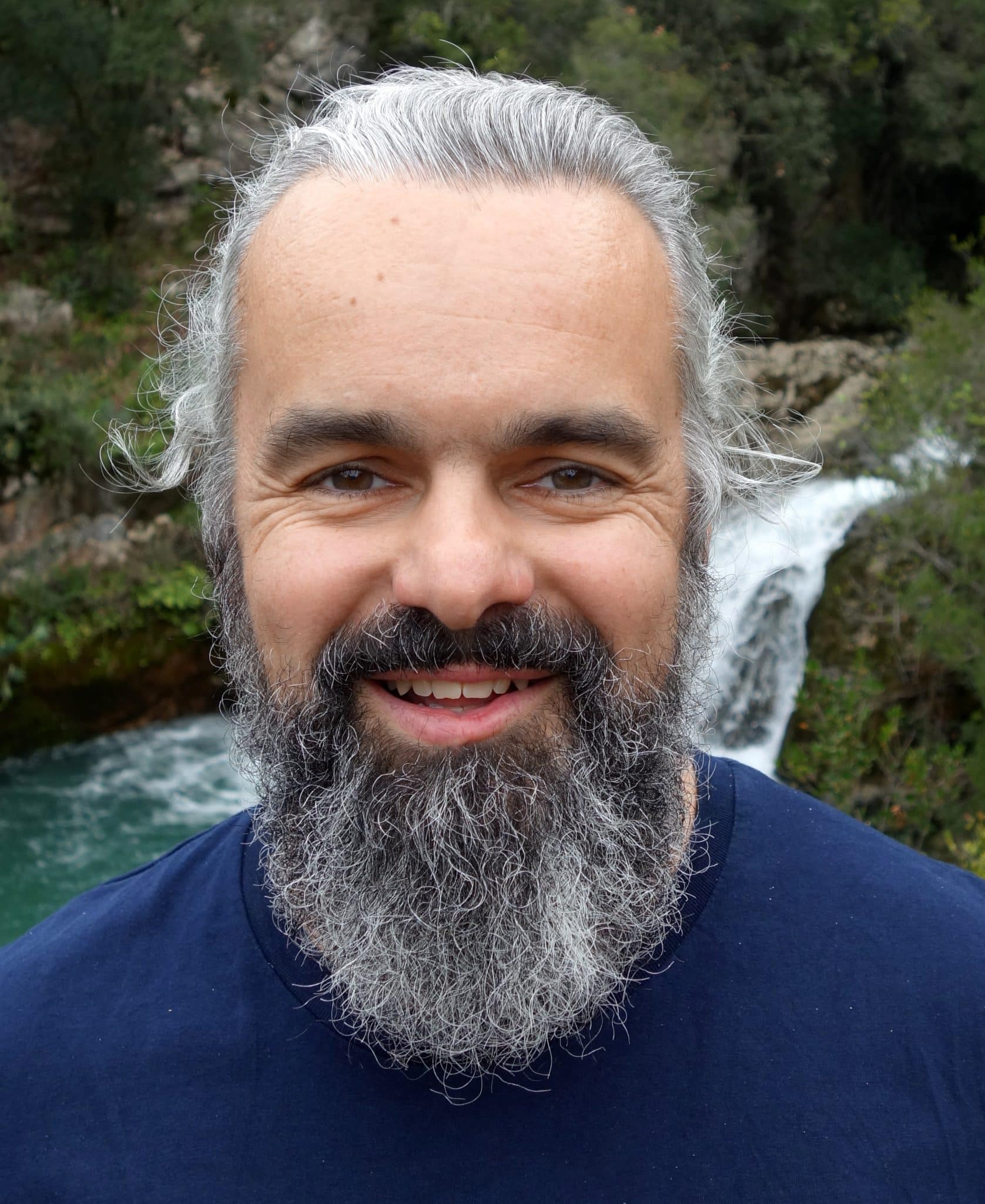
Yves Tramblay, Director of hydrology research, IRD (testimonial from the “Explore2 project, hydrological projections to adapt water resource management” dossier – 2024)
“I’m working on the impact of climate change on extreme events. It is estimated that 26% of the French population is exposed, with the risk of major socio-economic impacts. My first area of research is aimed at gaining a better understanding of how the intensity, frequency and spatial distribution of hazards are changing; the second is aimed at developing simulation tools to better adapt to these extreme events. In France, we see different types of extreme events depending on the region, for example rapid Mediterranean floods, snow floods in mountain regions, or cyclonic activity on Reunion Island or in the West Indies. Hydrological droughts, on the other hand, can affect a large part of mainland France at the same time, and are increasing as a result of rising temperatures. The Explore2 report on hydrological extremes provides scenarios for the likely evolution of intense rainfall, flooding and hydrological drought under different future greenhouse gas emission scenarios.”
Testimonial from our thematic dossier
Thematic dossier
The Explore2 project: hydrological projections to adapt water resource management
The Explore2 project, carried out between 2021 and 2024, aimed to describe the climate and water resources for the whole of the 21st century in mainland France, while ensuring that they are properly used. It produced a set of unprecedented projections in terms of the wealth of models applied and their spatial and temporal resolution, with no equivalent in Europe, thanks to a community of forty or so scientists from different organisations who were mobilised and united around the challenges of climate change. Around a hundred representatives of potential users of Explore2 results have also contributed to the project. Together, and under the guidance of INRAE and IOWater, they have devised useful information that can be mobilised by water managers in their territories. To provide a better understanding of the uncertainties associated with the projections, the scientists have proposed four climate narratives that illustrate the diversity of possible futures. Following the example of the IPCC, they have also drawn up a summary of the main conclusions at the level of mainland France for a set of descriptive variables in the water cycle, while specifying the degree of confidence in these results and the limits of knowledge. All the results of this project, which will have a major impact on water policy in France, are available online.