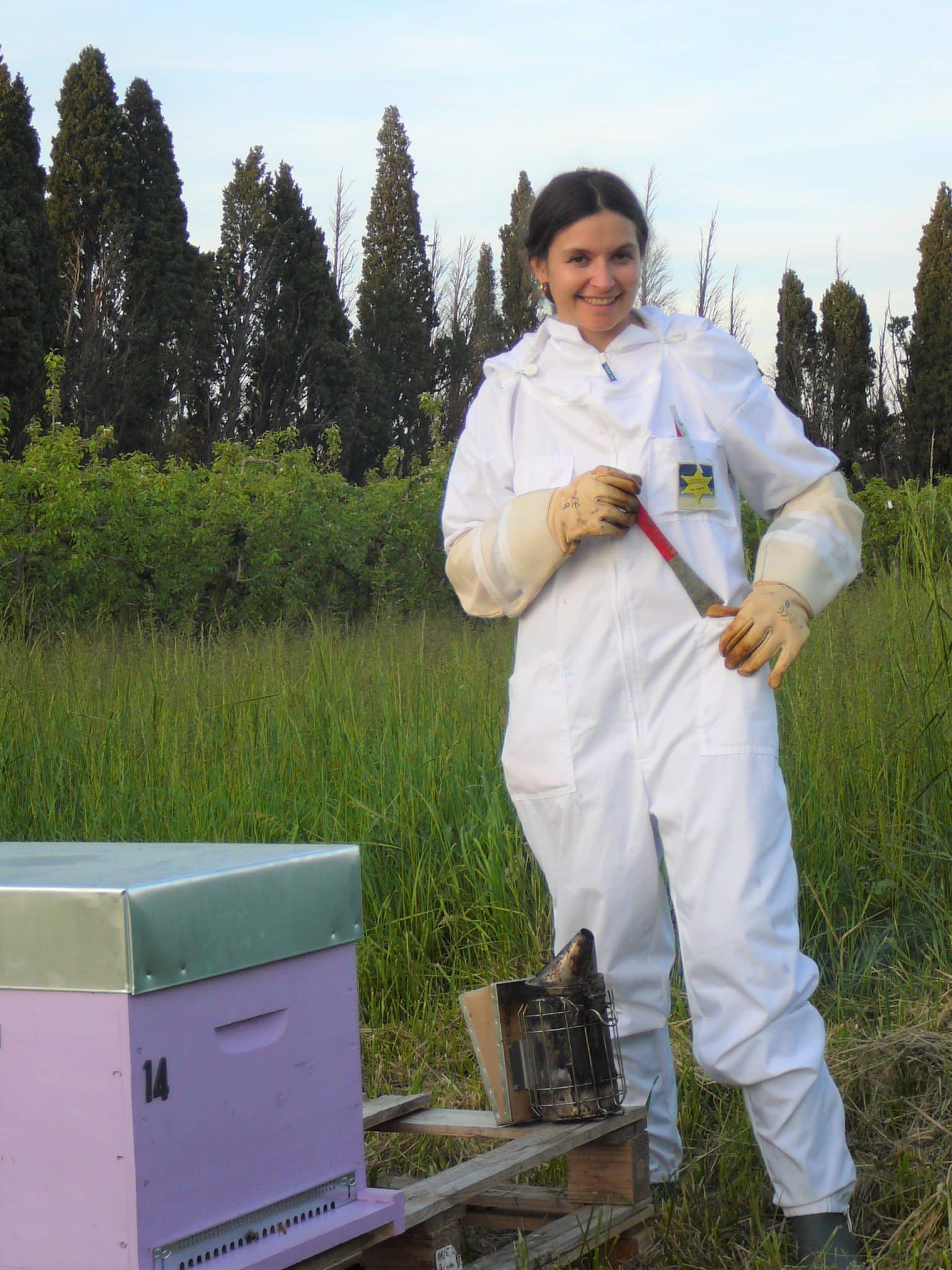
Maryline Pioz – Animal health epidemiologist, research fellow at the UR Abeilles et Environnement (testimonial from the dossier “INRAE scientists in ANSES collective assessments” -2021)
“Luc Belzunces, a DR colleague who is very involved in Anses expert groups, told me about this activity. I wanted to make my research more concrete and get things moving, so I responded to the Anses call for applications to join the phyto-pharmaco-vigilance working group. I’ve been a member for almost 2 years now. The debates are very rich, because the scientists come from different disciplines. As I am studying the factors responsible for the decline in honey bees, I have joined the Animal Health and Biodiversity sub-group. One of its roles is to analyse the warning signals sent to Anses about the undesirable effects of plant protection products on the market. For example, following a report from the Ministry of Agriculture, I contributed to a study aimed at understanding whether certain products could be responsible for the depopulation of bee colonies in Occitanie on sunflower honeydew. I devote 5% to 10% of my time to my work as an expert. It gives me a feeling of being useful, and I regret that it’s not taken into account more in individual assessments.”
Testimonial from our thematic dossier
Thematic dossier
INRAE scientists in ANSES collective assessments
Expertise is a clearly stated mission of INRAE in the INRAE 2030 strategic plan. It mobilises the skills of scientists acquired through their research and puts them at the service of collective issues. This mission takes a variety of forms, including providing expert advice to public agencies. Every year, around a hundred scientists from the Institute contribute their expertise to the French National Agency for Food, Environmental and Occupational Health Safety (Anses) and sit on a number of Anses committees.
At the beginning of 2020, the Anses sent us a list of all INRAE scientists appointed to the agency’s various expert groups as at 1 January 2020. This data provides a “snapshot” of INRAE scientists working as experts in the Agency’s various groups.
In order to publicise, share and document this expertise and public policy support activity, the Public Policy Support Division has carried out an analysis of this data. This summary also presents the Anses and the expert function within this agency, a non-academic public partner with which INRAE maintains close links.