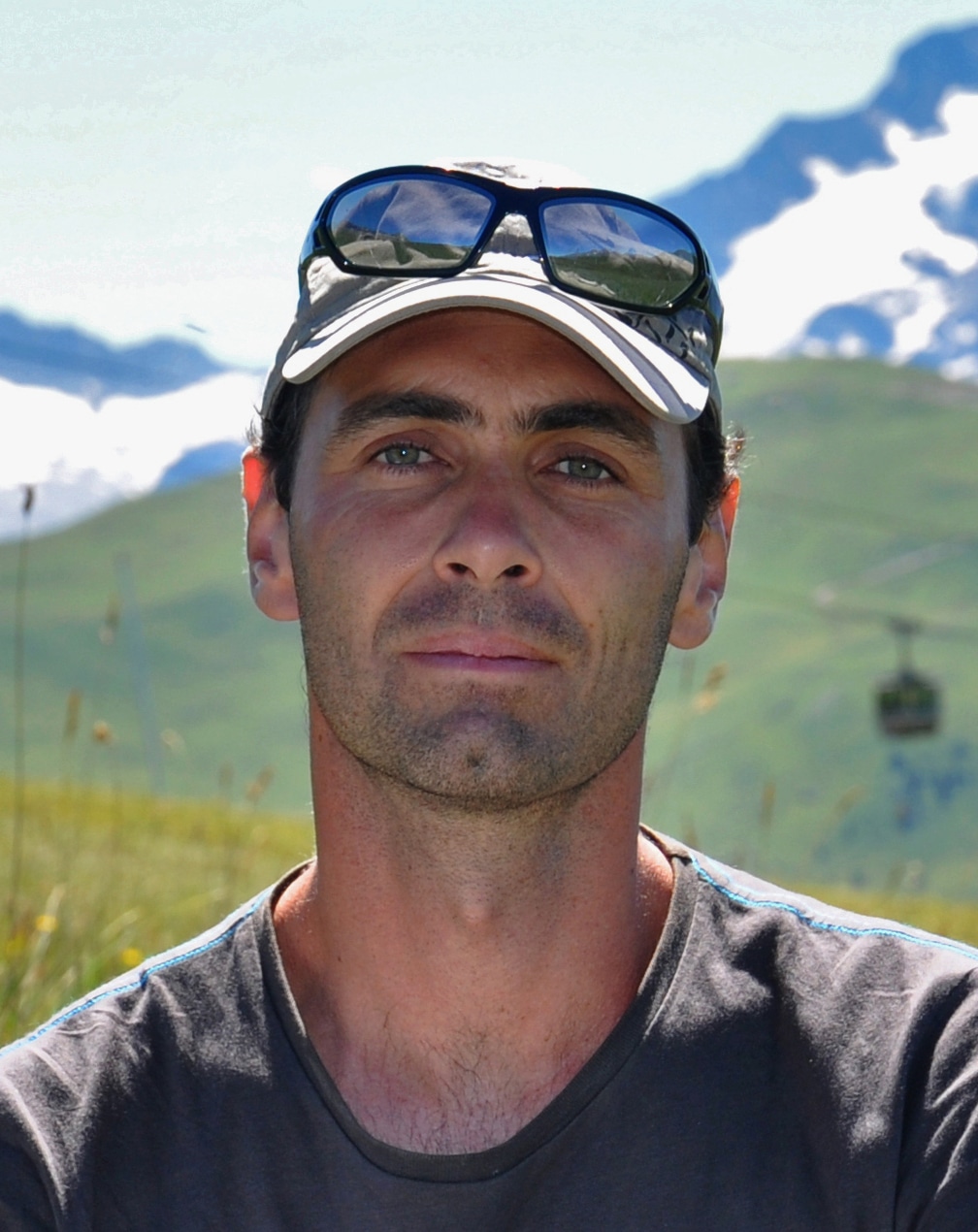
Grégory Loucougaray, research fellow, community ecologist at INRAE and member of two regional nature park scientific councils (testimonial from the dossier “Regional nature parks and INRAE, a partnership for territorial transition” – 2024)
“I study the possible synergies between the environmental and agronomic properties of semi-natural mountain meadows. For nearly twenty years, we have been working with the Vercors Regional Nature Park on agro-ecology projects to highlight the importance of diversity in securing forage autonomy and adapting livestock farming systems to climate change. Raising awareness among stakeholders includes a competition to reward and highlight best agroecological practices and visits to plots of land where farmers, technicians from chambers of agriculture, park staff and researchers can share their views and knowledge on the role of diversity in supporting fodder production. A better understanding of the resilience of grasslands and pastoral environments in the face of climatic hazards such as drought is a major challenge that we are trying to address with the help of observatories such as Alpages Sentinelles, which covers the Alps (a network of nearly 200 experimental plots). I sit on the Scientific Council (SC) of Baronnies provençales and chair the Vercors SC. These committees can deal with subjects as varied as applications to open quarries, tourism development issues, human-nature coexistence, and issues regarding the renewal of regional charters.”
Testimonial from our thematic dossier
Thematic dossier
Regional nature parks and INRAE, a partnership for regional transition
The regional nature parks (PNR), set up in 1967 and now numbering 58, are important partners for INRAE. This partnership has been strengthened since the signing of a framework agreement with the Fédération des PNR in 2021. INRAE’s scientists, who are committed to the issues of sustainable development of territories and transitions, are involved in a variety of ways, ranging from research collaboration to expertise on scientific councils. This dossier illustrates the rich and diverse partnership between the two partners, which makes the NRPs innovative laboratories for change and research areas for public policy support.