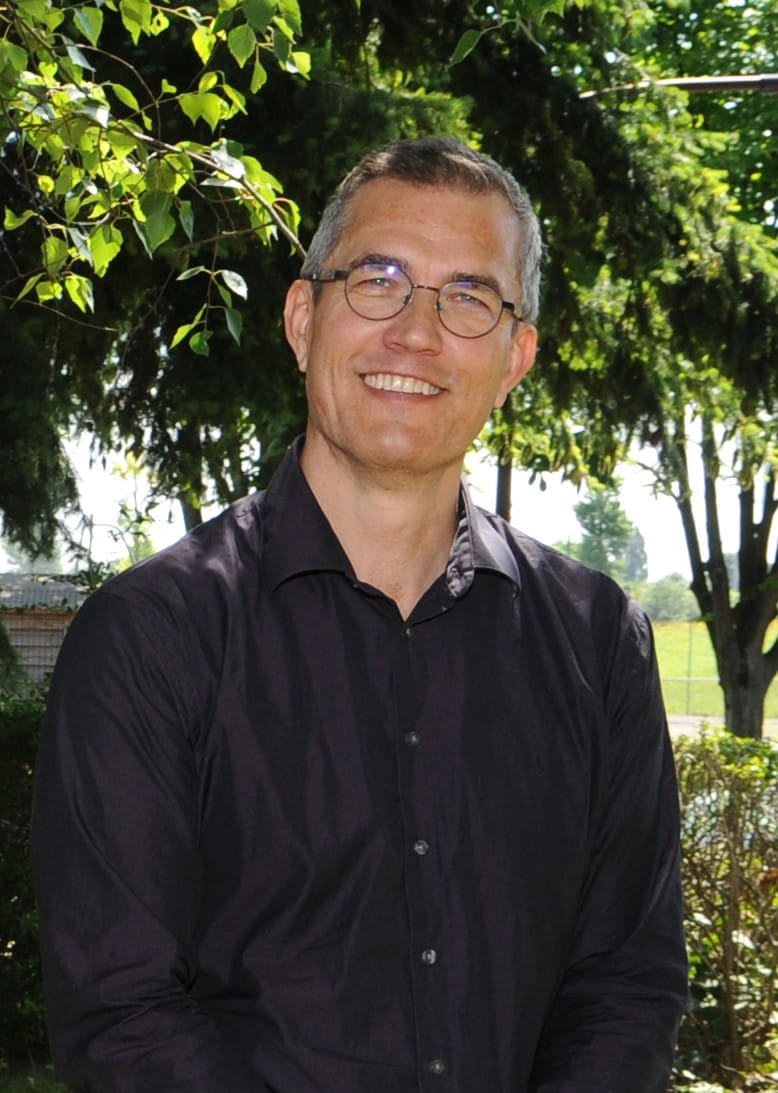
Philip Roche, Director of Landscape Ecology Research at INRAE and Chairman of the Scientific Committee of the PNR des Alpilles (testimonial from the dossier “Regional nature parks and INRAE, a partnership for regional transition” – 2024)
“The Scarpe-Escaut Regional Nature Park is a peri-urban area where water is omnipresent. This area is therefore of particular interest to our Recover unit, which conducts research on wetlands. The park’s managers, who need science to guide their actions in these areas, invited us to write a thesis on the evaluation of wetland ecosystem services. It was an original thesis in two respects, as it used the capacity matrix method to assess these services and included a collaborative dimension involving stakeholders in the field in the construction of the results, a way for the park to bring these stakeholders together around a ‘bridging project’. This work has attracted the interest of the Baie de Somme and Brière Regional Nature Parks to transfer the study to their areas. At the same time, I carried out a three-year project on the image of wetlands in the park. The lack of awareness about them, and even their negative image in the eyes of managers, has been compensated for by showing the ecosystem services provided by these areas compared with those of the ‘trames grises et brune‘ (‘grey’ corridors protecting flora and fauna next to roads, and ‘brown’ corridors to protect soil diversity).”
Testimonial from our thematic dossier
Thematic dossier
Regional nature parks and INRAE, a partnership for regional transition
The regional nature parks (PNR), set up in 1967 and now numbering 58, are important partners for INRAE. This partnership has been strengthened since the signing of a framework agreement with the Fédération des PNR in 2021. INRAE’s scientists, who are committed to the issues of sustainable development of territories and transitions, are involved in a variety of ways, ranging from research collaboration to expertise on scientific councils. This dossier illustrates the rich and diverse partnership between the two partners, which makes the NRPs innovative laboratories for change and research areas for public policy support.