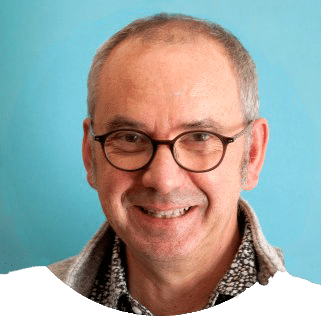
Frédéric Berger – Research engineer specialising in protection forests, head of the COMPET team at LESSEM(testimonial from the “Facilitating land management through information systems” dossier -2021)
“The interest shown in ISDT by local and regional authorities has been, and still is, very useful for its development. We now want to enhance it by adding other specific tools developed by LESSEM. This is both a public policy issue for managers and a scientific and technical issue for our team and our research unit. LESSEM is the result of the merger of two units in January 2020. One of our missions is to disseminate our work both externally and internally in order to strengthen collaboration with our partners, as well as with other units and departments within the institute. Some excellent projects have already emerged. For example, the national mapping of rockfall protection forests that we are carrying out to promote forest-based solutions in natural risk prevention policy. This mapping is also intended to enrich the SIDDT. As part of this project, we are managing a database containing 10,000 trajectories recorded in the Alpine region. The richer the ISDT database and indicators, the more it will be able to respond to a variety of issues. To achieve this, we will need to mobilise funding from the various ministries and provide the necessary human resources”.
Testimonial from our thematic dossier
Thematic dossier
Facilitating territorial management through information systems
Data and information systems are a strategic interface used by both public policy and research. They provide a multi-faceted approach to issues of sustainable regional development, and are therefore a useful decision-making tool. Many INRAE teams are contributing to their development and use in research and in support of public policy. This is particularly true of the LESSEM research unit in Grenoble, which has developed the SIDDT territorial information system for enhanced territorial diagnosis, and the Maploup mapping and alert tool for stakeholders in pastoralism in mountain areas.