In France, school catering is highly regulated: menus follow precise nutritional recommendations, one vegetarian option per week has been on offer since 2023 to reduce the environmental impact of menus, and the use of plastic is banned for cooking, reheating and serving, etc. Several practices included in the Egalim law are based on scientific research by INRAE and its partners.
On a global scale, our current food systems are responsible for a third of greenhouse gas emissions and 70% of drinking water use. Research shows that halving waste and offering flexitarian menus in schools could reduce the environmental impact of the school catering system by 26%. What’s more, some children have no meal other than the one offered at school, increasing the importance of encouraging a balanced and healthy menu.
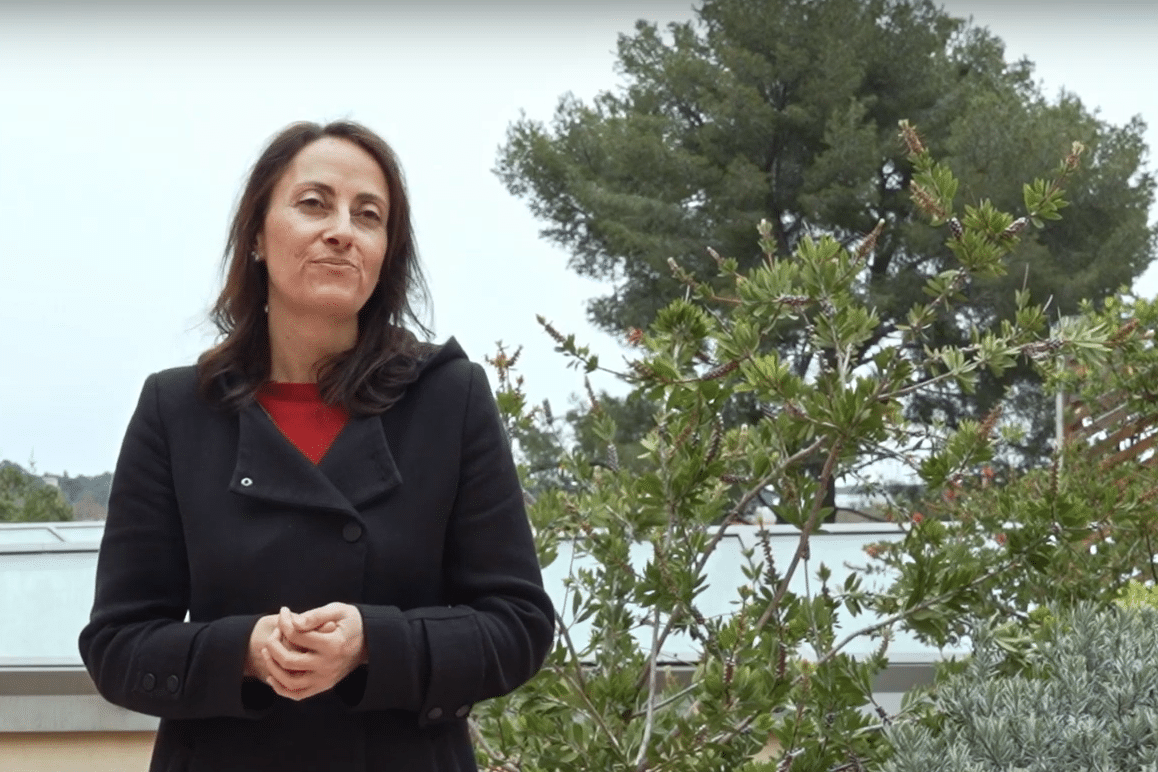
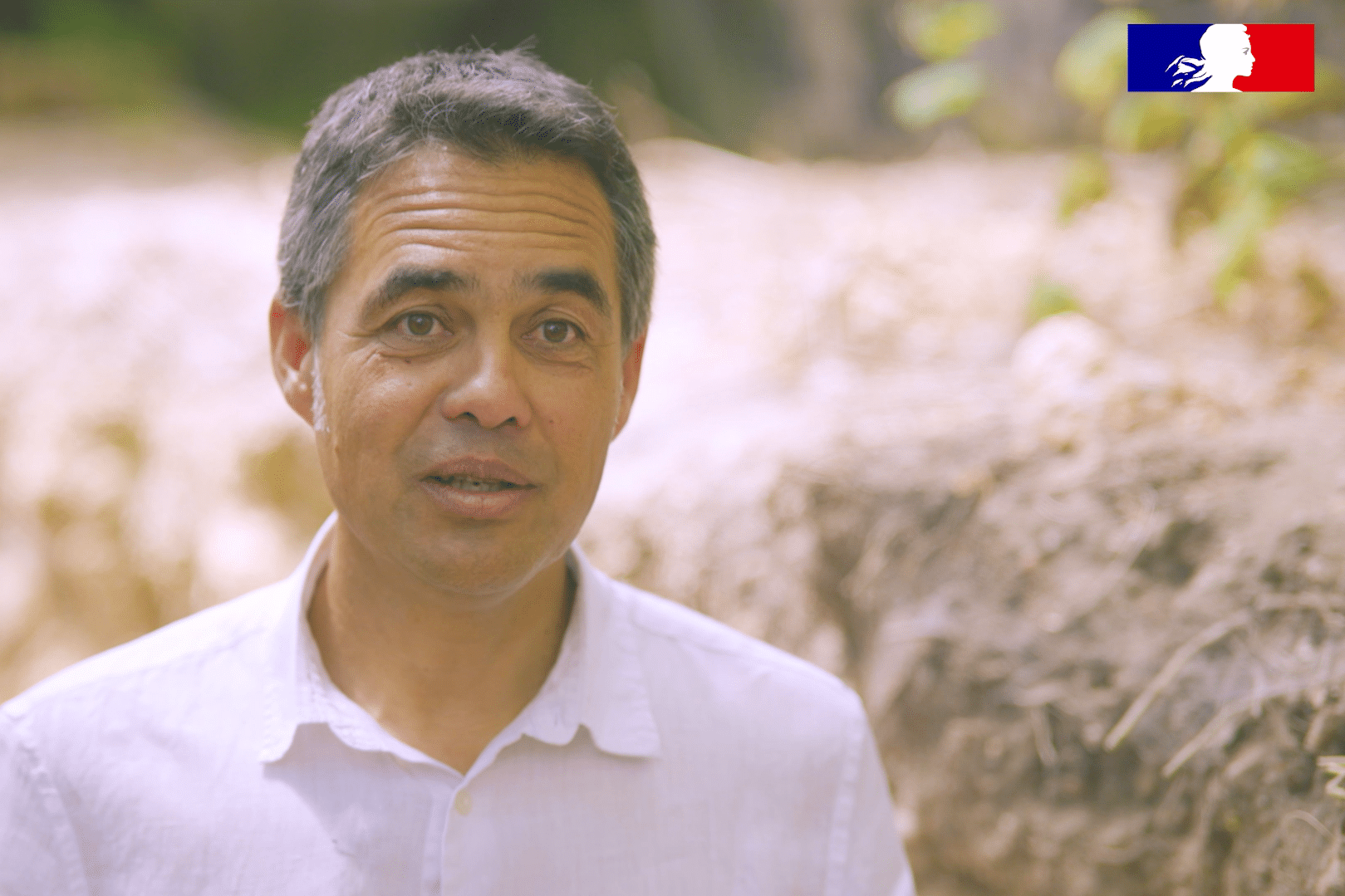
In this new video, Sylvie Avallone shows how research into school food can inform public policy in France and around the world to ensure healthy, sustainable food for children at school.
Discover our thematic dossier
Thematic dossier
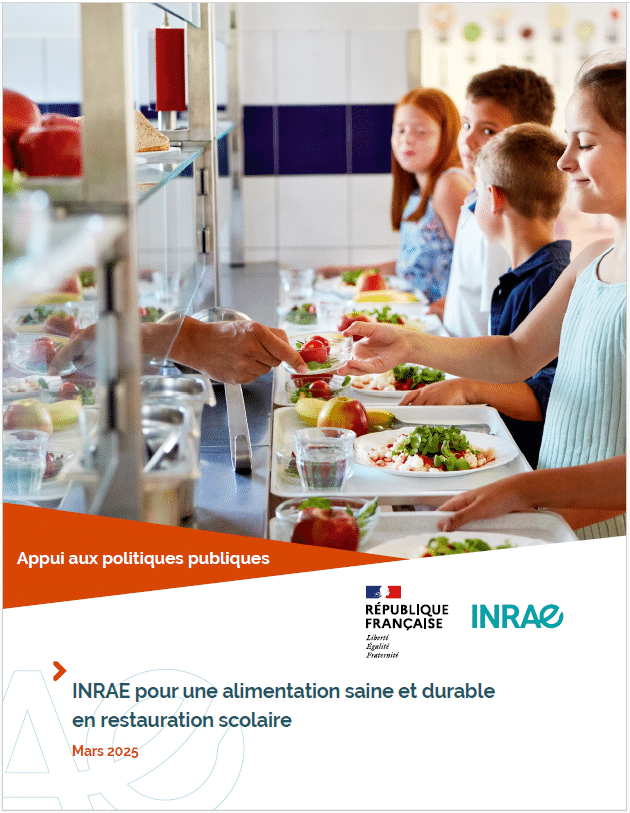
INRAE for healthy and sustainable food in school catering
From nutrition to the environment and food behaviour in school catering, INRAE supports public policies in favour of sustainable food.
This dossier presents a series of research studies, action research and expert reports carried out by INRAE in relation to school catering, from the nutritional components of meals to links with short distribution channels and organic farming. INRAE’s work sheds light on stakeholders and public action, from the design of public policies through to their evaluation and implementation.
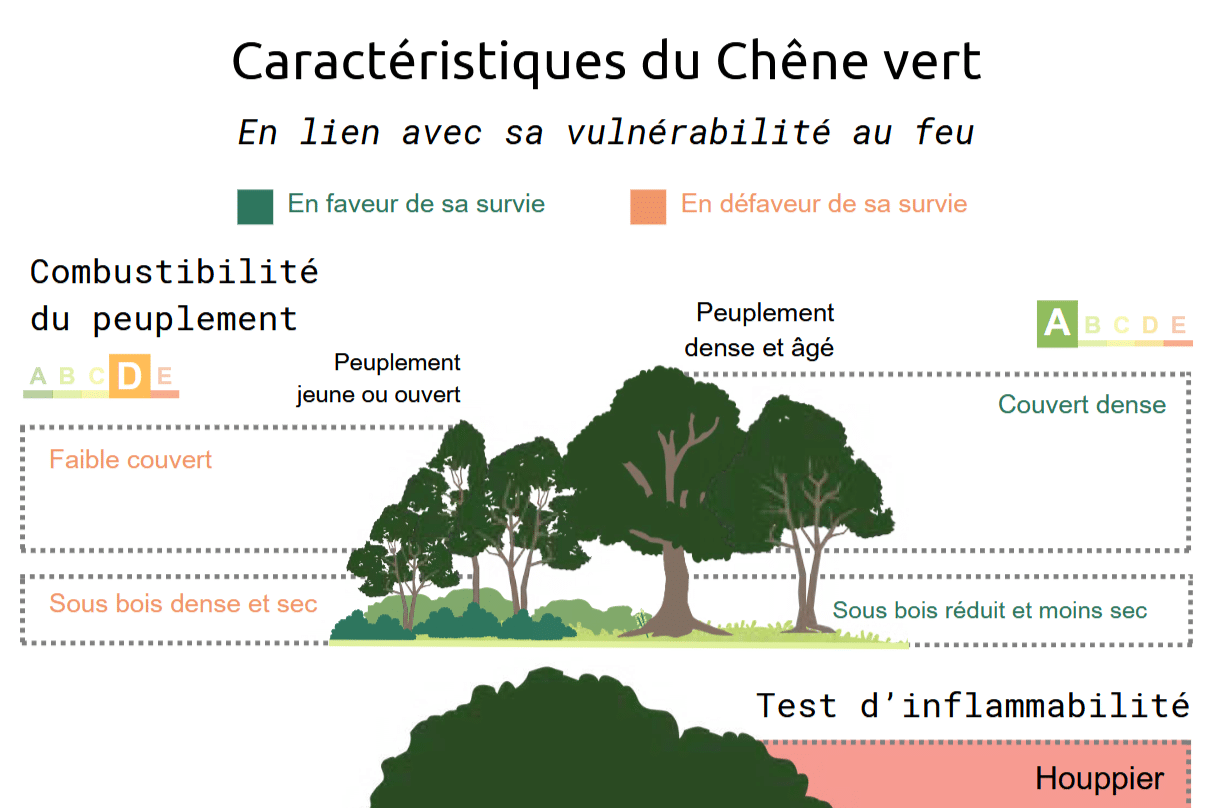
Public authorities need up-to-date knowledge to adapt their fire risk prevention and management strategies. This is the very purpose of the VULNEFEU project (AFORCE programme).
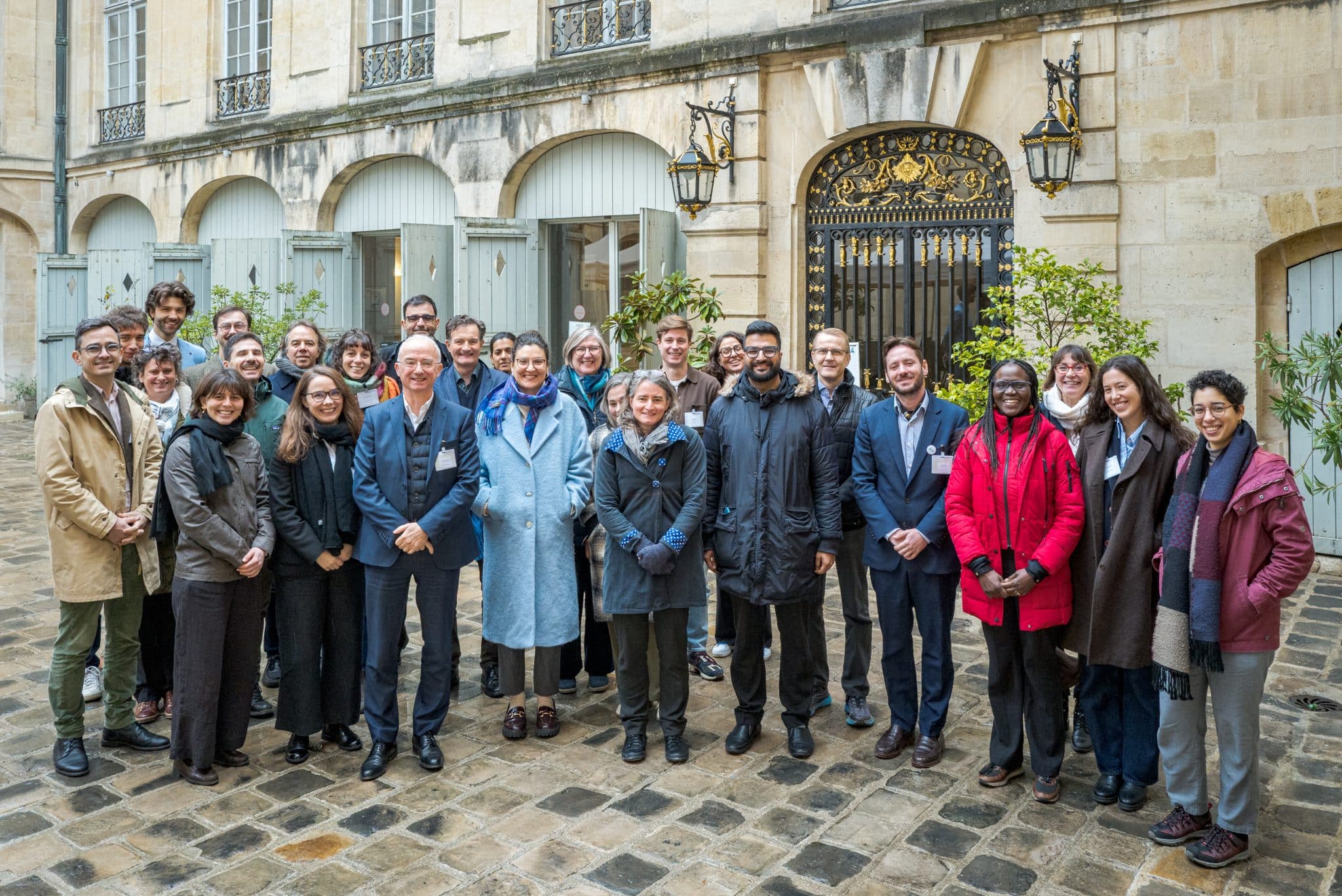
As a public research institution committed to supporting public policy, INRAE was delighted to host the annual meeting of the Ghent Group at IEA Paris on November 25 & 26, 2025. This event brought together many of INRAE’s European partners committed to strengthening the science-policy interface on agricultural and environmental issues, to present their work…
Claudy Jolivet, soil scientist at INRAE, presents the Réseau de Mesure de la Qualité des Sols (RMQS) (Soil Quality Measurement Network) that he coordinates. The aim of this GIS Sol programme is to monitor changes in soil over time by analysing various parameters, including carbon, pH, granulometry, contaminants and biodiversity. Its team can calculate carbon…
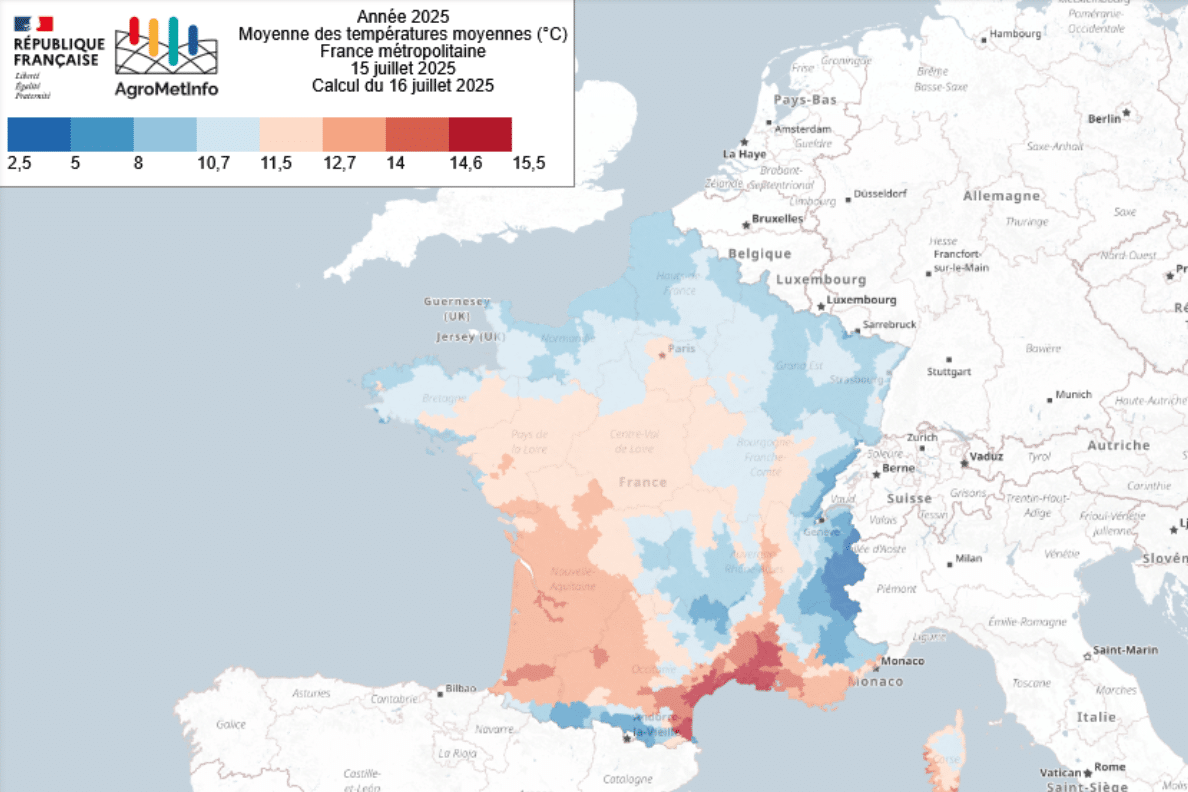
AgroMetInfo is an agroclimatic monitoring application that analyses the influence of climate on agricultural production, developed by the AgroClim service unit. Thanks to their collaboration with Météo France, the scientists produce relevant indicators at the scale of France’s small agricultural regions using fine-scale data (8 km for the whole of France). Since 2019, AgroMetInfo has…