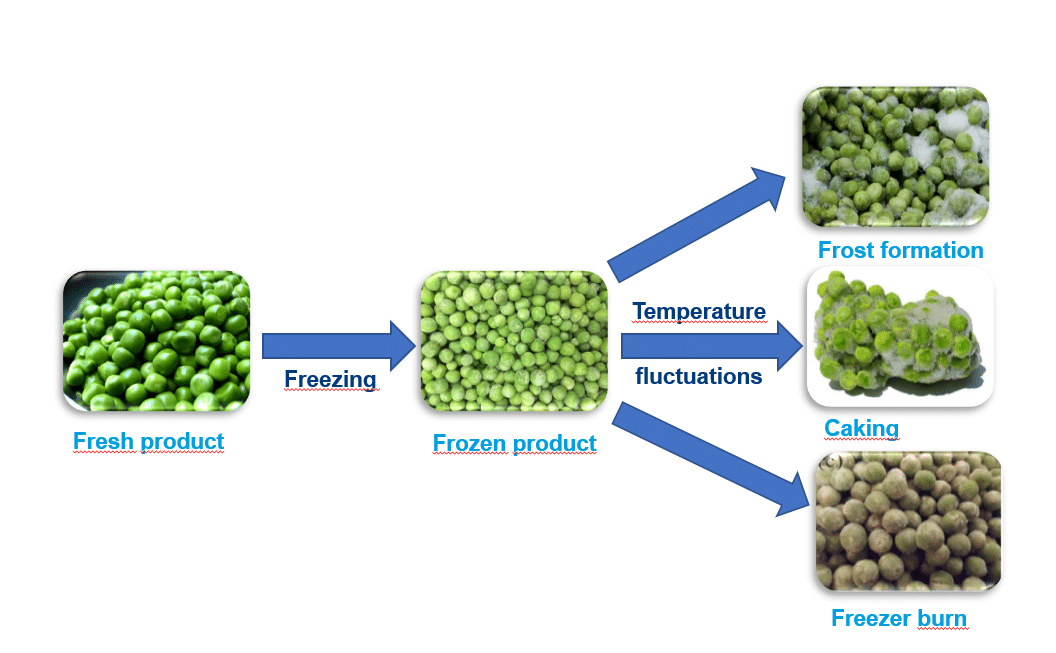
Vitamins, water content, texture… The temperature at which food is stored can cause its organoleptic properties to deteriorate at varying rates. Food safety risks too.
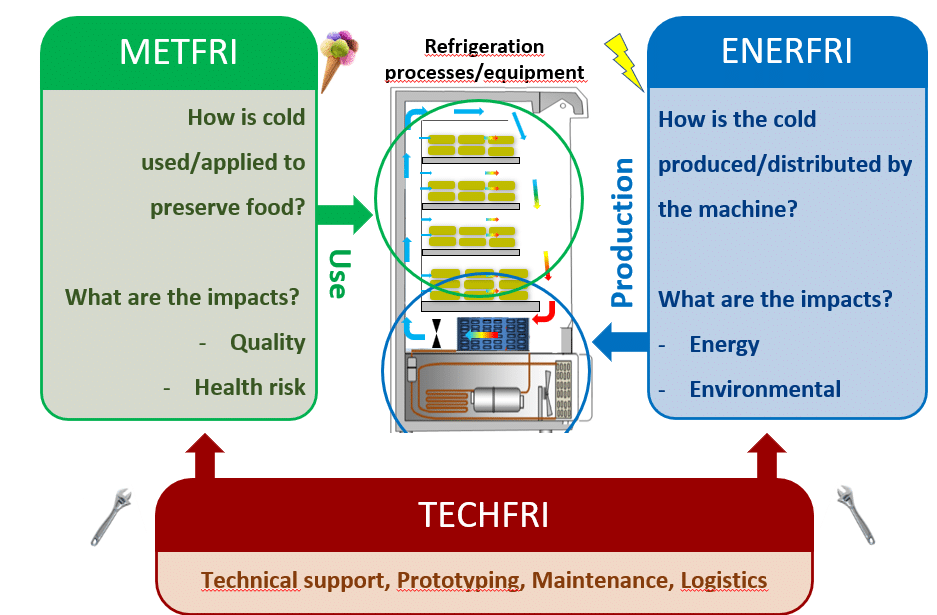
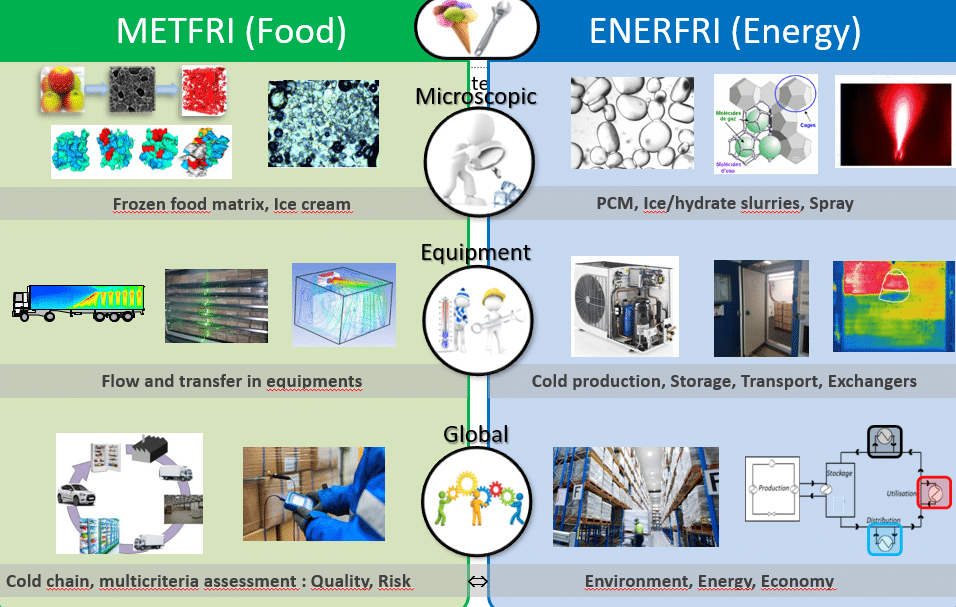
The INRAE FRISE research unit (Refrigeration Process Engineering for Food Safety and the Environment) carries out research into refrigeration, from its production to its use in food preservation, with two key objectives: minimising the environmental impact associated with cold storage and ensuring food safety.
Its research activities provide various forms of support to public authorities: designing training programmes for ministry staff, drawing up technical data sheets, and conducting health risk assessments ahead of changes to the regulations. A recent study explored the case of transport temperature of meat carcasses, in collaboration with ANSES and the sectoral organisations.
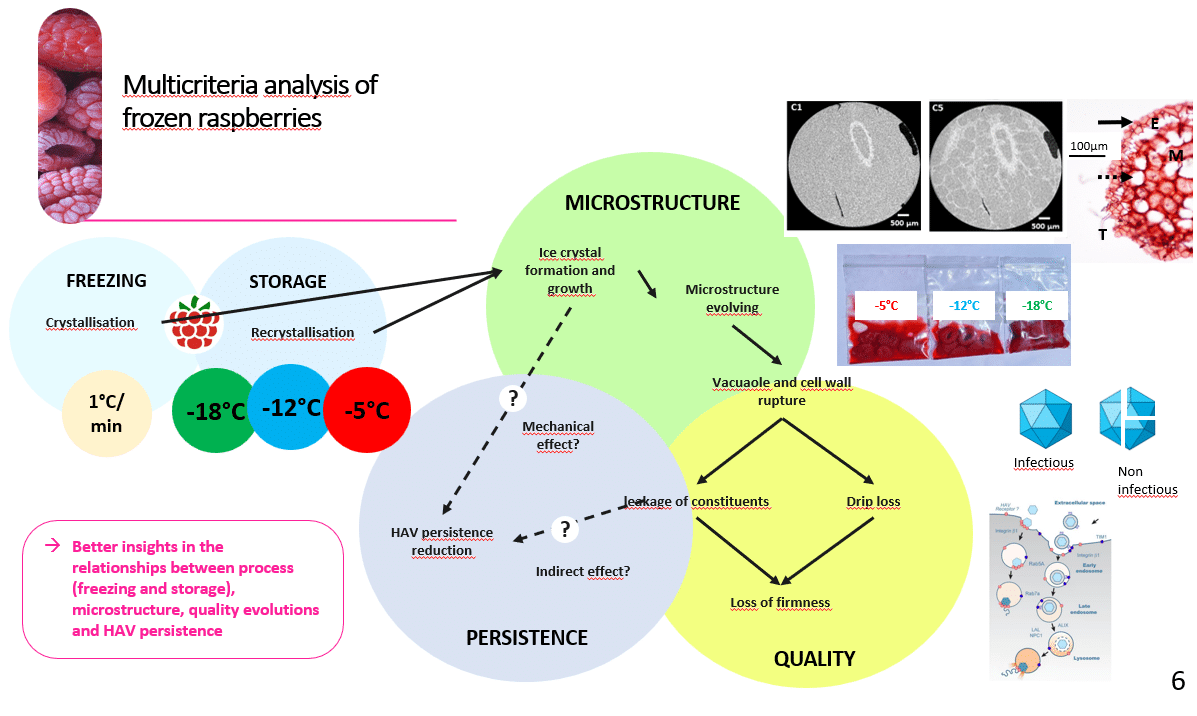
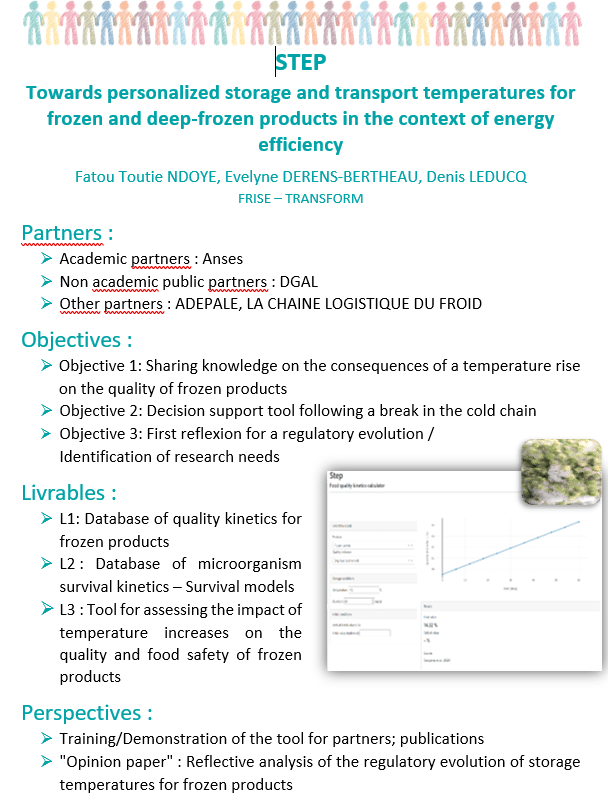
More recently, the STEP project brought together all stakeholders in the frozen food cold chain. The aim was to compile an overview of the available data on the quality of frozen products at different temperatures. The stakes are high: raising the storage temperature of a frozen product by 1°C would reduce the energy consumption of its cold chain by around 3 per cent.
Fatou Toutie Ndoye and Evelyne Derens-Bertheau, researchers at this unit, discuss this public policy support mission in a new video.
Here are the video images in english :
Find out more:
Discover the FRISE unit’s website
Find out about all the unit’s projects and the tools it has developed