What if a board game could help us better prevent zoonotic diseases?
How can we encourage dialogue between livestock farmers, vets, doctors and researchers on a health issue as complex as a zoonosis? Drawing on the example of Q fever, the ZOOJEU project explored several innovative approaches – including a comic strip and a board game. These public policy design initiatives have thus facilitated the transfer of scientific knowledge to stakeholders in the sector and public decision-makers.
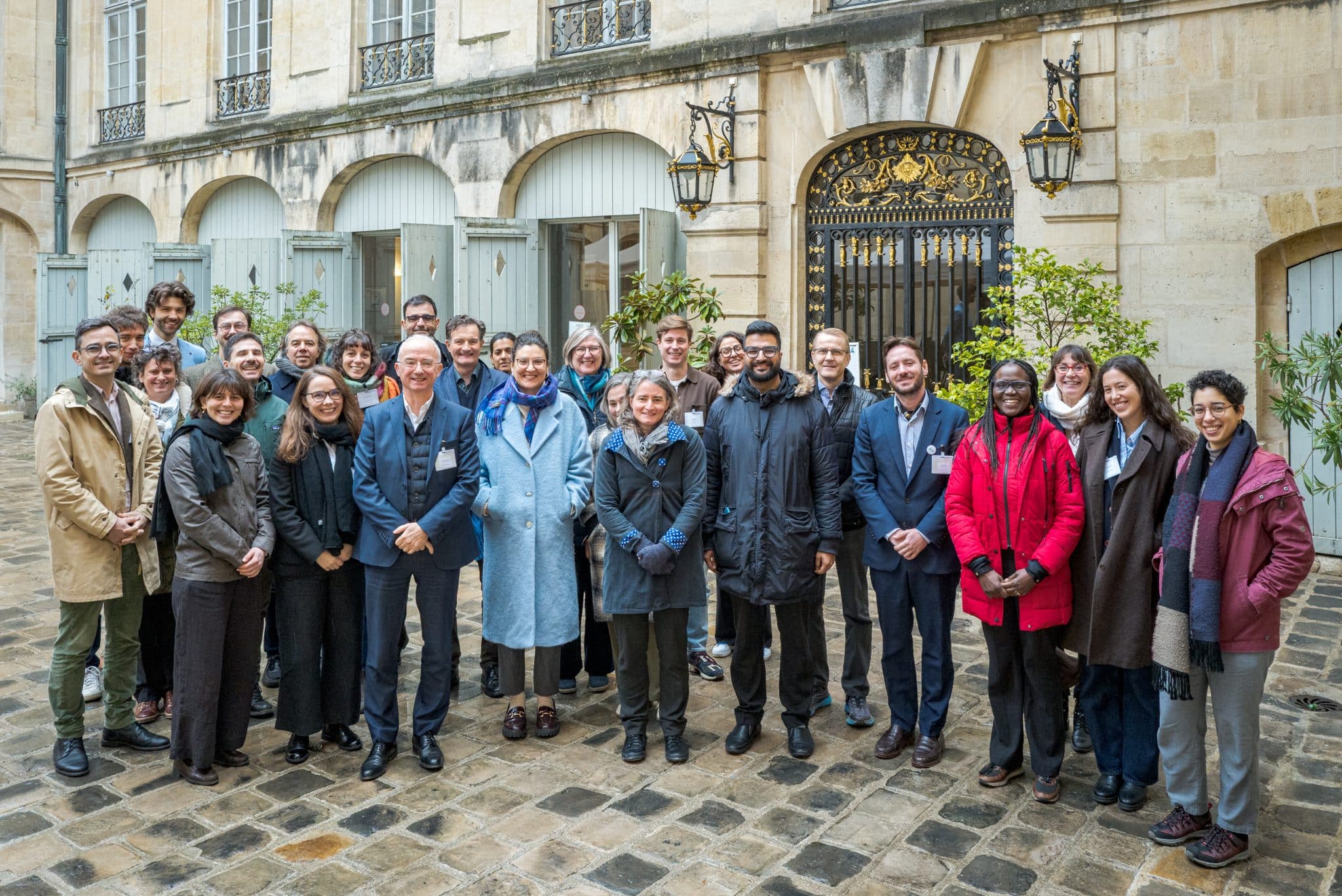
A zoonosis is an infectious disease that can be transmitted between vertebrate animals and humans. To better prevent and manage these risks, ZOOJEU has adopted a multidisciplinary approach to facilitate dialogue between livestock farmers, vets, doctors and researchers — as part of a One Health approach that integrates human and animal health.
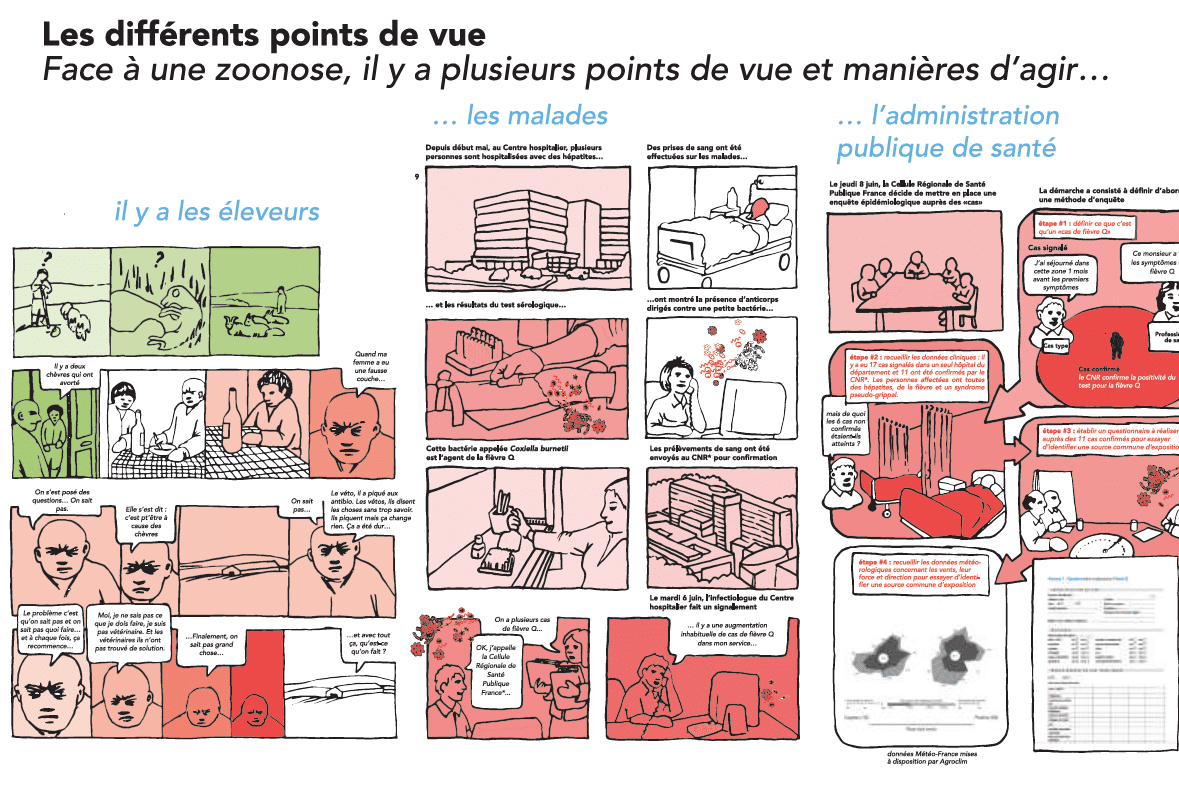
What makes this project unique is its aim to transform field research into educational tools accessible to all. The findings were adapted into a comic strip, then into a participatory kit — comprising a game board, figurines and visual aids — creating a space where scientific, institutional and experiential knowledge could be placed on an equal footing.
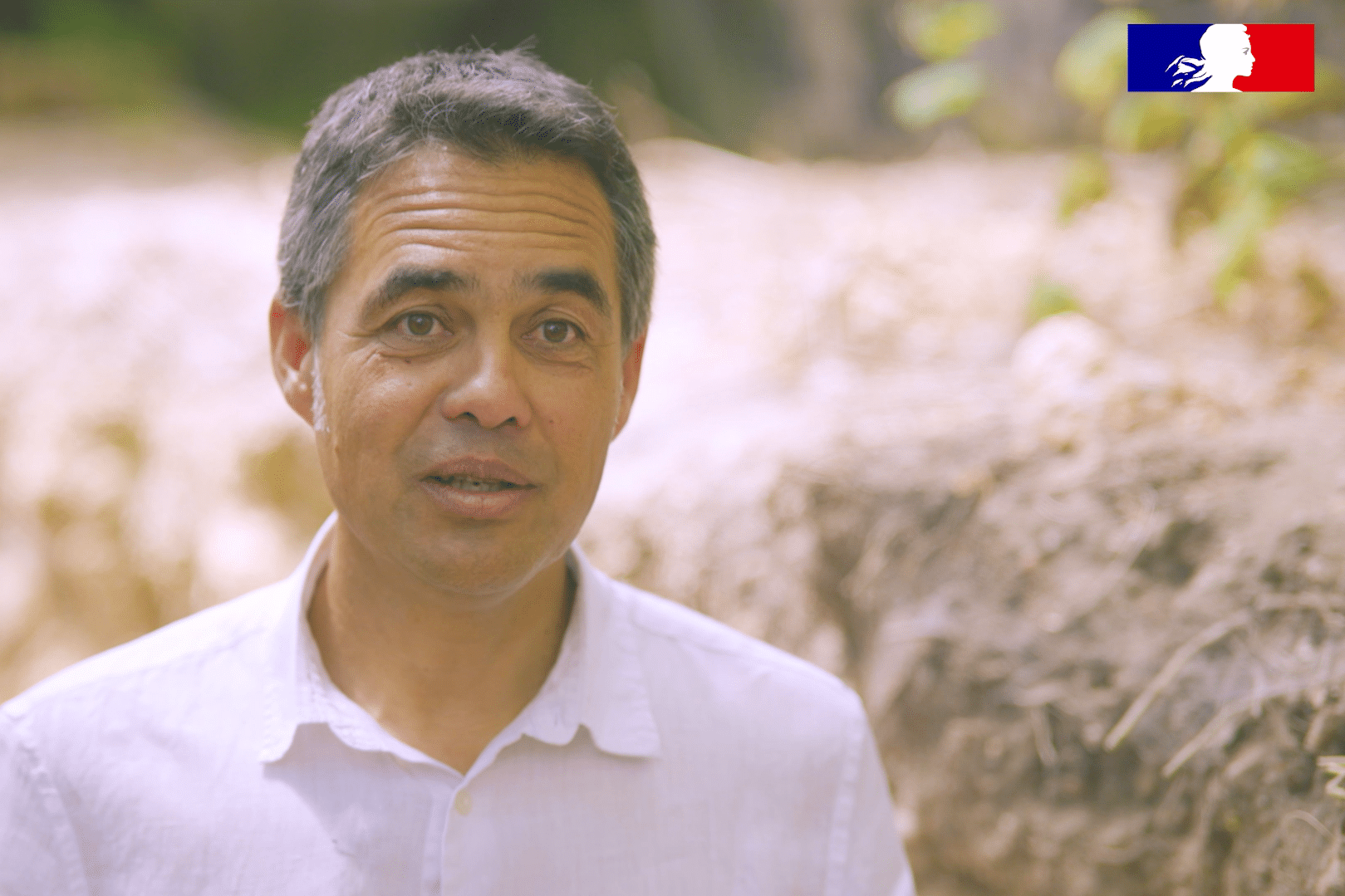
A memorable moment from the project, shared by Elsa Jourdain, the project leader: “One farmer said he had been waiting for the ZOOJEU day his whole life.”
Among the long-term benefits are:
- The recognition of practical knowledge — particularly that of livestock farmers — as an essential component of public policy.
- The creation of a hypothetical, forward-looking body – the Territorial Council for Global Health – which continues to inform research into territorial health governance.
These achievements are now being built upon in a new project (Transition ZOOJEU), dedicated to overall health within the goat farming sector in Deux-Sèvres, this time involving local councillors and members of the public.
A fine example of how public action design can transform the co-creation of veterinary public health policies.
Here are the three key steps taken from the project’s posters:
Find out more:
Find out more about the project on the EPIA unit’s website